Reading the Quiet Yes

Explore how nonverbal signals that shape minor agreements in social interactions steer everyday decisions—nods at a doorway, a half-smile before splitting a check, a shared pause that greenlights plans. We unpack subtle cues, share practical decoding tips, and invite your stories to refine intuition with empathy, clarity, and consent-driven awareness in every conversation.

The Subtle Yes: Nods, Smiles, and Micro-Affirmations

The Social Physics of the Nod

A single nod can transfer momentum, like passing a conversational baton that says continue, I am with you. In a coffee line, one person’s nod often resolves whose turn it is faster than any sentence could. Keep it gentle, match tempo, and avoid stacking multiple nods, which may rush others or create pressure. Precision, not volume, creates respectful alignment.

Smiles That Seal Small Deals

A genuine smile cues cooperation by softening perceived risk and humanizing decisions, especially when choices are simple and reversible. A brief, relaxed smile paired with eye warmth can seal a tiny agreement to proceed together. Overextending intensity may seem salesy or manipulative, so favor authenticity, not theatrics. Try smiling after listening, not before; it honors the other person’s pace and preserves mutual agency.

Eyebrow Flash and Mini-Acquiescence

The microsecond eyebrow flash often appears when two people recognize alignment and prepare to shift into action. It reads like a tiny lantern lighting the path ahead. In doorways, on sidewalks, or at meeting tables, it can accompany a side-step, pen pickup, or laptop close. Pair it with a small nod to clarify goodwill. If uncertain, pause and add a quiet verbal check for clarity.

Gaze That Grants Permission

Where eyes travel, intentions often follow. A soft, steady gaze that briefly holds and then releases can communicate permission far more elegantly than over-explaining. In teams, gaze alignment distributes turns; in friendships, it affirms next steps like ordering, leaving, or staying. Avoid staring, which threatens autonomy. Instead, coordinate micro-holds with inclusive glances that loop others in. When unsure, add a light verbal confirmation to keep consent explicit.

Triangular Gaze in Group Alignment

In groups, a quick triangle of gaze—speaker, object, listener—helps everyone know what is next and who is in. During a whiteboard sketch, moving eyes from the diagram to a colleague and back signals shared focus and soft agreement to proceed. Try slow, inviting arcs rather than sharp darts. Pair them with small nods to confirm inclusivity, especially when quiet participants might be overlooked or sidelined unintentionally.

Blink Rate and Processing Consent

Elevated blink rate can indicate cognitive load, uncertainty, or the need for time, suggesting that pushing for immediate agreement might backfire. A calm blink pattern, aligned with open posture, often accompanies readiness to proceed. Use these cues as hypotheses, not verdicts. Offer a breathable pause, and ask a gentle question that returns control. Respect for pacing often converts hesitation into durable, enthusiastic cooperation without hidden resentment.

Pauses, Pitch, and the Almost-Said Yes

Vocal music matters: gentle pauses, downward pitch contours, and well-timed backchannels often shape small agreements more reliably than enthusiasm alone. A measured silence grants space to choose, while a light upward lilt invites collaboration without cornering anyone. Learn to hear readiness versus reluctance. Practice delaying your response by a heartbeat. That micro-delay can protect consent, reduce misunderstandings, and create memorable smoothness during everyday coordination.

Hands, Posture, and the Quiet Handshake

What hands reveal, words often merely confirm. Open palms, relaxed wrists, and aligned shoulders can broadcast readiness to continue, while tightened fists or folded arms request pause. Gentle mirroring reduces social distance and builds cooperative rhythm. Yet copying too closely can unsettle. Aim for complementary alignment that honors individuality. Share stories of how posture changed a meeting’s flow, and experiment with micro-adjustments that invite shared action without coercion.

Open Palms and Readiness to Proceed

A brief palm display signals availability, safety, and transparency, which together ease small commitments like choosing a route or signing off on a quick plan. Pair it with a soft nod and neutral wrist angle to avoid performative flair. If someone withdraws their palms, slow down. Ask if timing still works. This small respect for body language often upgrades cooperation from reluctant compliance to willing, sustainable engagement.

Mirroring as a Micro-Contract

Light mirroring—matching tempo, posture class, or gesture rhythm—creates felt understanding, often smoothing tiny negotiations such as moving seats or adjusting schedules. Keep it subtle and delayed to avoid uncanny imitation. Think harmonize, not duplicate. If your partner leans in, answer with a gentle forward tilt later, not instantly. Mirroring should feel like empathy in motion, never a tactic. The goal is mutual ease, not engineered agreement.

Foot Pointing and Direction of Intent

Feet are candid narrators. When someone’s lead foot angles toward an exit, they may be leaning away from immediate commitment. If both feet align with you or a shared object, tiny agreements become easier. Avoid chasing rotated feet; instead, pivot your stance to re-open options. Ask a simple question that restores choice. Respecting the story feet tell often prevents needless friction and keeps goodwill intact.

Shoulder Angles That Negotiate

A partial shoulder turn can propose a next step without pressure, like an open door that invites but never demands. In hallways and meetings, easing your angle toward a destination suggests movement while preserving opt-out space. Matching too aggressively can overwhelm. Instead, sequence micro-turns and brief pauses. Let the other person author the final pivot, ensuring any agreement feels co-created rather than nudged into place.

Light Touch as Soft Commitment

In many settings, touch is unnecessary and can misfire or violate norms, so err on caution and consent. When fully appropriate—such as a brief celebratory tap among close colleagues—it can punctuate a minor agreement. Even then, seek clear permission and consider culture, roles, and power dynamics. Safer alternatives exist: a smile, a nod, or palms-up gesture. Mutual comfort, not cleverness, determines whether the signal succeeds.

Reading Without Overreaching: Culture and Consent
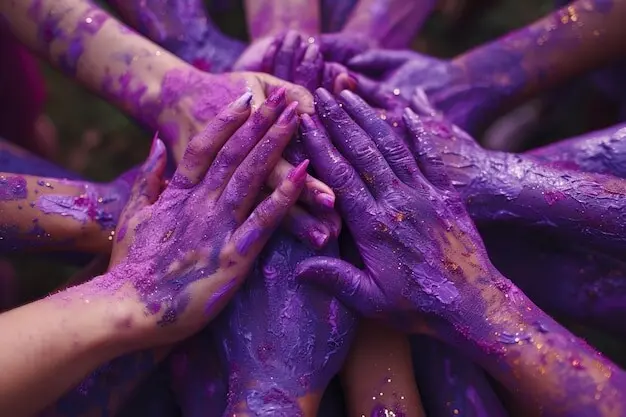
Signals are probabilistic, not definitive. Cultural practices, neurodiversity, trauma history, and personal style can flip meanings completely. Approach interpretation as a friendly hypothesis, then verify with respectful words. Ask before assuming, and accept no as data, not defeat. Share your experiences and invite contrasting perspectives. By learning together, we build a compassionate toolkit that turns small agreements into shared wins without crossing boundaries or rushing decisions.
Dexonexosento
Privacy Overview

This website uses cookies so that we can provide you with the best user experience possible. Cookie information is stored in your browser and performs functions such as recognising you when you return to our website and helping our team to understand which sections of the website you find most interesting and useful.